
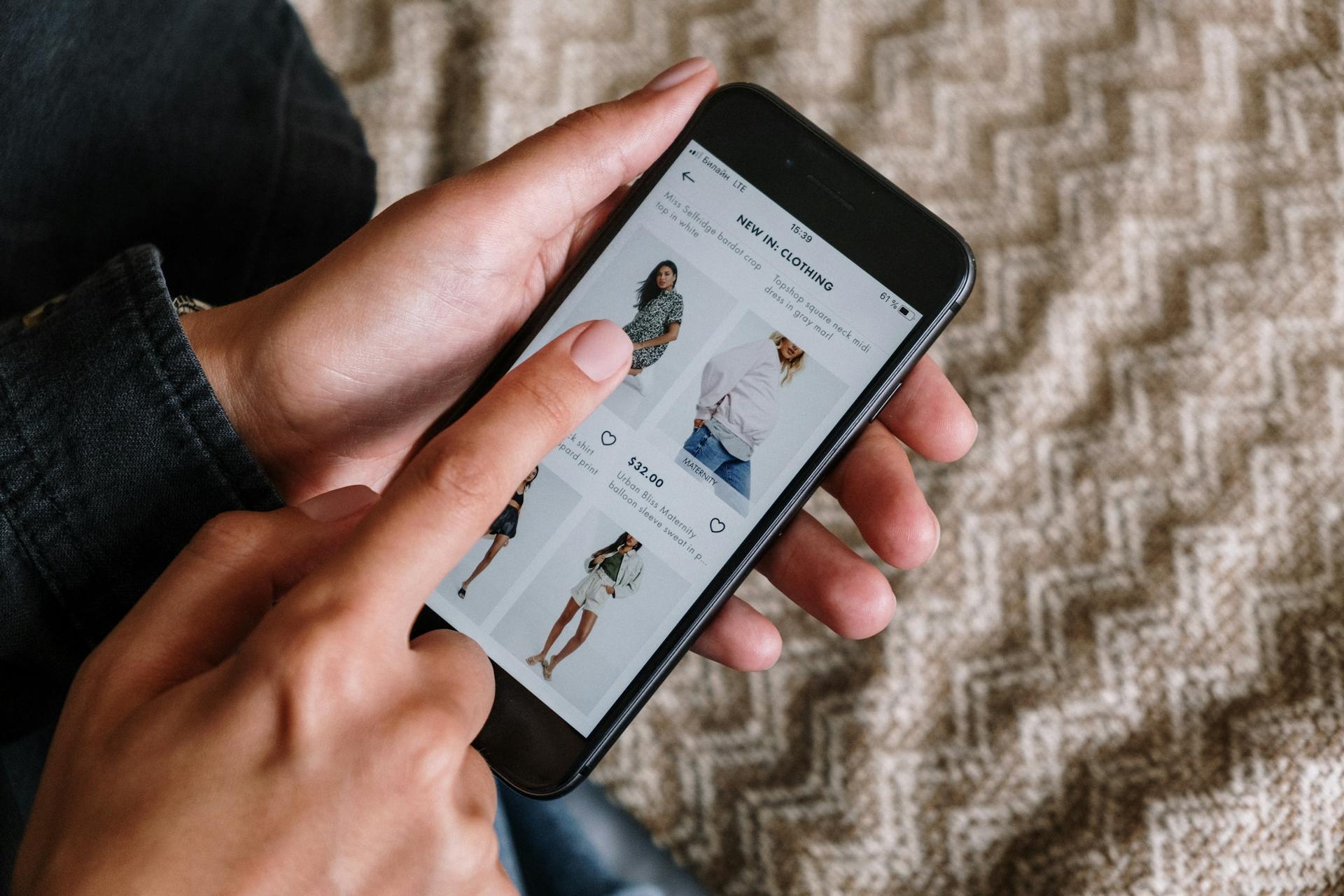
Online shopping has transformed how we build our wardrobes, making it possible to explore styles from across the globe without leaving home. But with the convenience comes the challenge: sizing can vary dramatically between brands, fabrics, and even different cuts within the same store. Have you ever ordered a highly anticipated item only to find it doesn’t fit as expected? This common frustration can lead to wasted time, money, and disappointment. Fortunately, adopting the right approach can dramatically improve your chances of finding clothes that truly flatter your body. Understanding your measurements, consulting size charts carefully, and considering product reviews are all essential strategies to help you get it right the first time. By following these strategies, you’ll make online shopping a smoother, more satisfying experience.
Know Your Measurements and Record Them
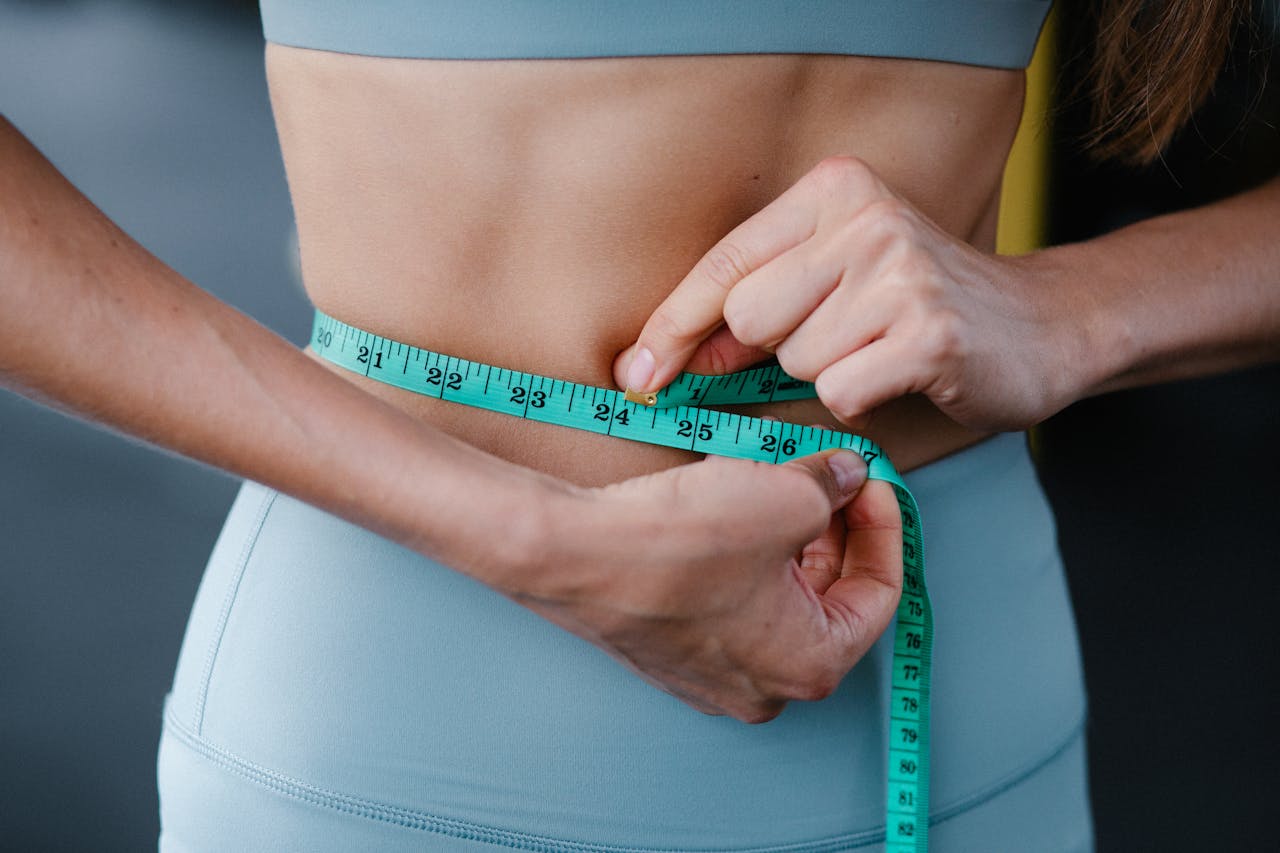
A frequent mistake is relying on standard sizes like S, M, or L without knowing your exact measurements. Taking precise measurements of your bust, waist, hips, inseam, and even shoulder width is the most reliable starting point. Measure yourself using a soft tape and note the figures in a dedicated notebook or smartphone note. This reference will help you compare your dimensions against any online retailer’s size chart. Keep in mind that some brands have different sizing standards, so your measurements are the baseline for evaluating fit, not a one-size-fits-all guide. This simple step prevents unnecessary returns and ensures better consistency across purchases.
Use Size Charts Strategically
Almost every reputable online retailer provides a size chart. However, shoppers often overlook subtle details. Look at the measurements in inches or centimeters, paying close attention to specific categories like sleeve length, waist to hip ratio, and shoulder span. Compare these numbers with your recorded measurements, and choose the closest match rather than relying on your usual size. Some sites even include fit recommendations, such as “fits small” or “true to size.” By analyzing these details, you reduce the risk of ordering something that looks perfect online but feels restrictive or loose in person.
Read Reviews and Look for Real-Life Insights

Customer reviews are a goldmine for understanding how an item fits in reality. Look for comments mentioning the reviewer’s height, weight, and body type. Photos submitted by previous buyers can also reveal if an item runs long, short, narrow, or wide. Pay attention to recurring comments about stretchiness, fabric texture, or potential shrinkage after washing. These insights complement the size chart and help you anticipate how the garment will behave on your body. Over time, you may even recognize patterns that align with specific brands, allowing you to order more confidently.
Consider the Fabric and Cut
The material and construction of a garment significantly affect its fit. Stretchy fabrics like spandex blends provide more flexibility, whereas rigid materials like denim or structured cotton are less forgiving. Pay attention to cut descriptors such as slim-fit, relaxed, or oversized. These indicate how the clothing drapes and whether it accommodates certain body shapes. For instance, a high-waist pant may require slightly different measurements than a low-rise version. Understanding these nuances can prevent common mishaps and help you select items that feel comfortable and flattering.
Plan for Alterations and Return Policies

Even with careful research, some pieces may not fit perfectly. Knowing your preferred tailor’s services and being aware of the retailer’s return policy can save frustration. Select items that allow for easy returns or exchanges, and consider minor alterations if the garment is otherwise perfect. For example, shortening sleeves or taking in a waist can transform an almost-right piece into a wardrobe favorite. This forward-thinking approach allows you to confidently purchase online without fearing permanent mistakes.
Finding the perfect fit when shopping online requires preparation, awareness, and a thoughtful approach. By knowing your measurements, analyzing size charts, consulting customer feedback, understanding fabric and garment cut, and planning for minor adjustments, you can dramatically improve your success with each purchase. With these strategies in place, online shopping becomes more efficient, satisfying, and even fun, turning potential frustrations into enjoyable discoveries that enhance your wardrobe.